13Jul
26Jun
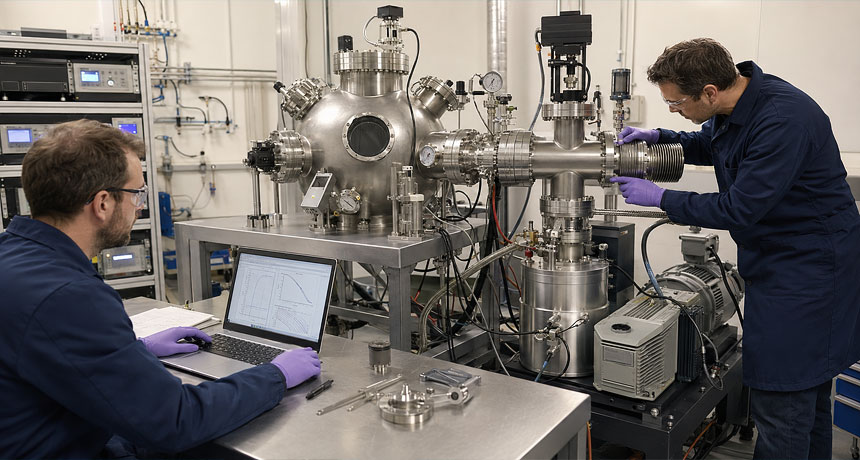
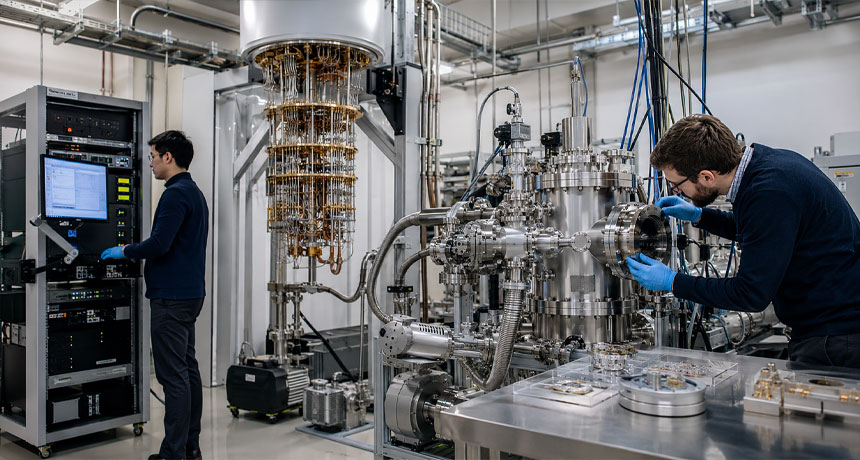
How Vacuum Technology Supports Quantum Computing Development
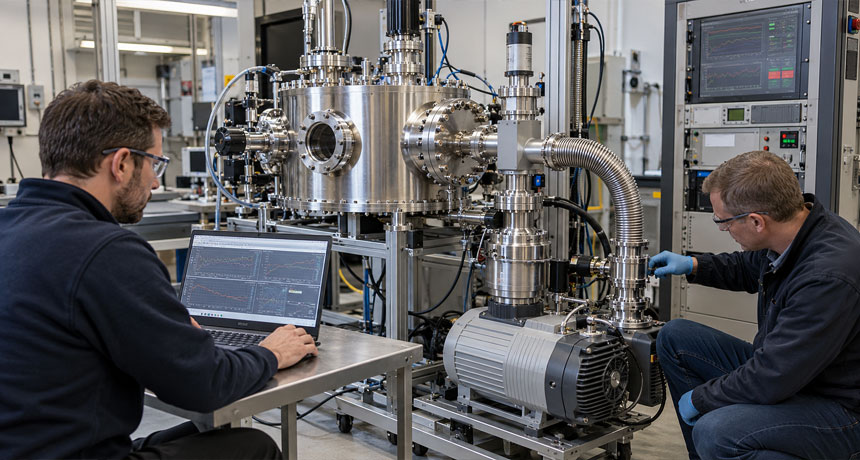
Quantum computing is often discussed in terms of qubits, error correction, cryogenics, and exotic materials. Those subjects deserve the attention, but they can make it easy to overlook the support systems that allow quantum devices to be fabricated, tested, and operated in the first place. Vacuum technology is one of those support systems. It is not a side detail. It is part of the foundation that makes many quantum computing platforms possible.
12Jun
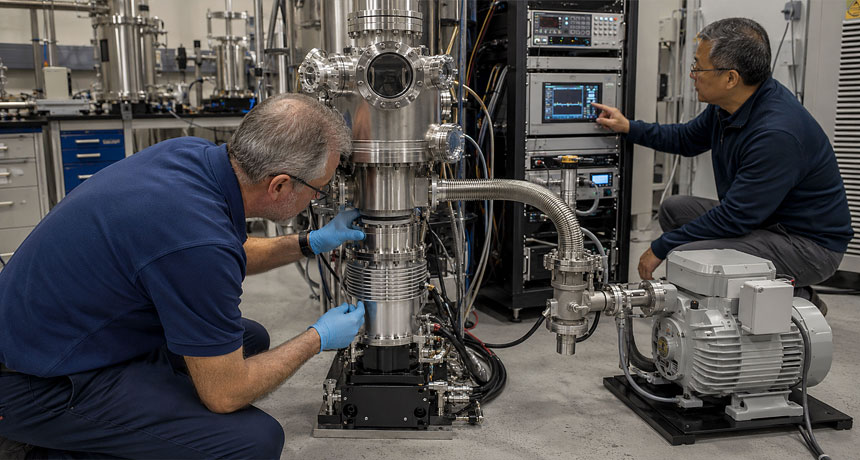
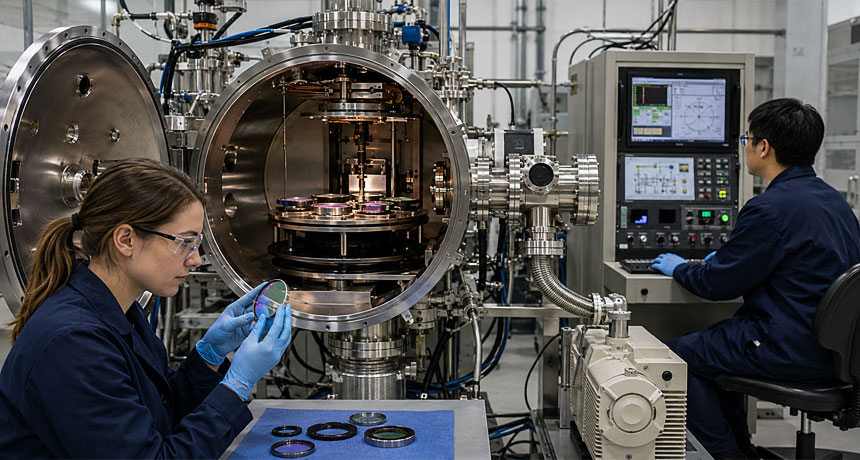
The Science of Optical Coatings in Vacuum Deposition
Optical coatings look simple from the outside. A lens, mirror, filter, or window may appear to have only a faint tint or reflective surface. But the performance of that surface often depends on a carefully engineered stack of thin films, each deposited with controlled thickness, composition, density, and optical behavior. In demanding applications, the coating is not decoration. It determines how the optic reflects, transmits, absorbs, filters, or protects light.
22May
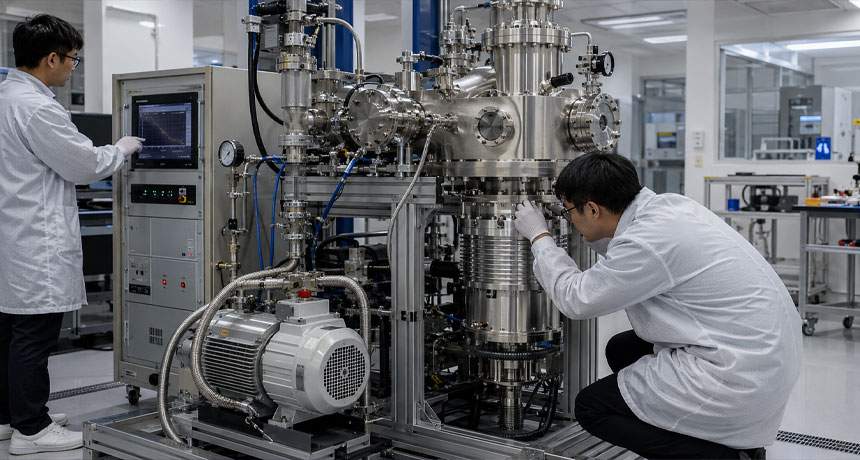
How Cold Cathode Gauges Work in High Vacuum Applications
Cold cathode gauges are widely used in high vacuum applications because they provide durable, filament-free pressure measurement in ranges where mechanical and thermal-conductivity gauges are no longer effective. They are common in vacuum chambers, coating systems, research equipment, analytical instruments, semiconductor support systems, and other applications where users need to know what is happening well below rough vacuum.
08May
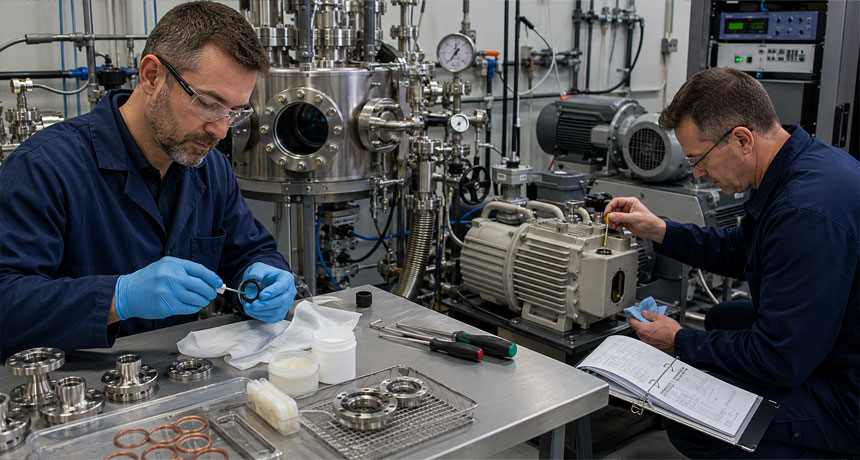
The Most Common Sources of Vacuum Leaks
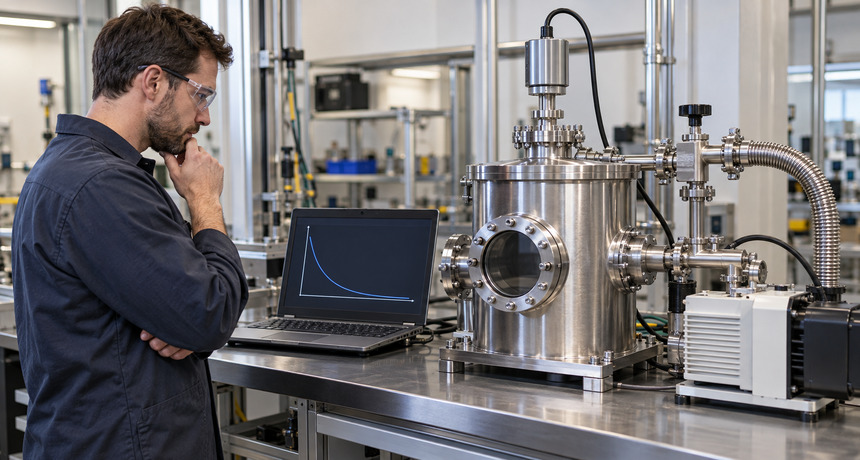
Vacuum leaks are one of the most common and frustrating problems in vacuum-system work. A system may have the right pump, clean hardware, and a sensible layout, but a small leak can still keep it from reaching base pressure, slow the pump-down curve, or create unstable readings during operation. In some cases, the leak is obvious. In others, the system behaves poorly even though every connection looks fine from the outside.
25Apr
Why Calibration Matters for Vacuum Sensors
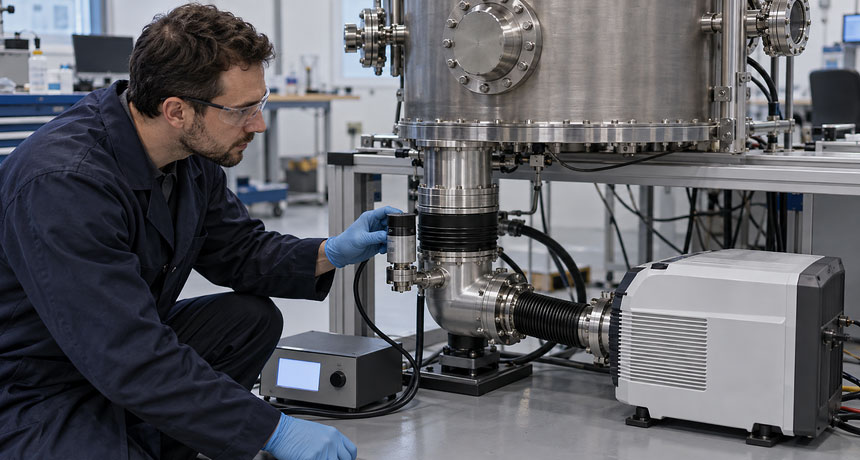
Vacuum sensors are often treated like small accessories in a larger vacuum system, but they have an outsized influence on how that system is operated. A pump may be healthy, a chamber may be clean, and the plumbing may be leak-tight, but if the sensor is drifting or reading outside its useful range, the operator can still make the wrong decision. In vacuum work, pressure readings are not just numbers on a display. They guide pump-down decisions, process timing, leak...
10Apr
The Role of Backstreaming in Vacuum Contamination
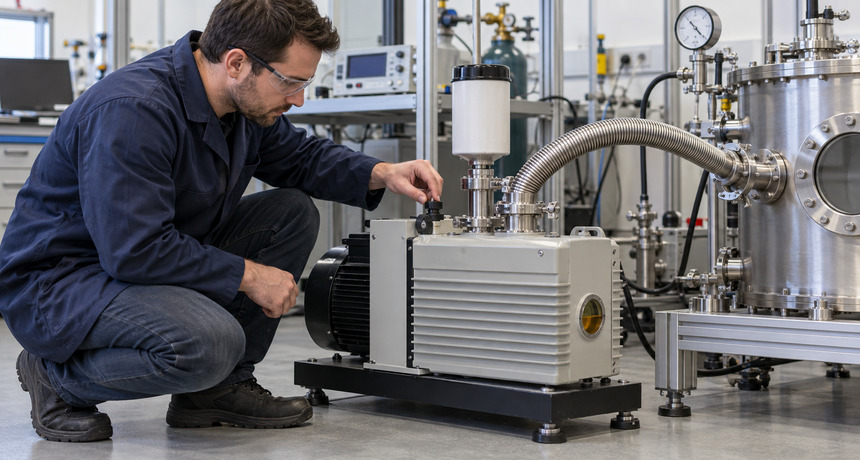
In vacuum work, contamination problems are often blamed on the obvious suspects: leaks, dirty parts, bad materials, or poor cleaning. Those are all real causes. But one contamination source is easy to underestimate because it can come from inside an otherwise functional pumping system: backstreaming.
27Mar
The Use of Vacuum in High-Energy Physics Research
High-energy physics research depends on vacuum for a simple reason: particle beams do not behave well in air. Whether the work involves a large accelerator, an experimental beamline, a detector test stand, or an instrument-development lab, the goal is the same. Researchers need a controlled environment where charged particles can travel long distances, collide where intended, and be measured without unnecessary interference.
13Mar
Why Stainless Steel is the Gold Standard for Vacuum Chambers
In vacuum engineering, material choice is never a cosmetic decision. The chamber wall is part of the vacuum system itself: it influences outgassing, leak integrity, chemical compatibility, mechanical stability, cleaning, and long-term reliability. While aluminum, glass, and specialty alloys all have their place, stainless steel has earned its reputation as the gold standard for vacuum chambers because it delivers the best all-around balance of cleanliness, strength, fabricability, and compatibility across a wide range of vacuum regimes.
27Feb

