25Sep
17Sep
Why Foreline Pressure Matters in Turbomolecular Pump Systems
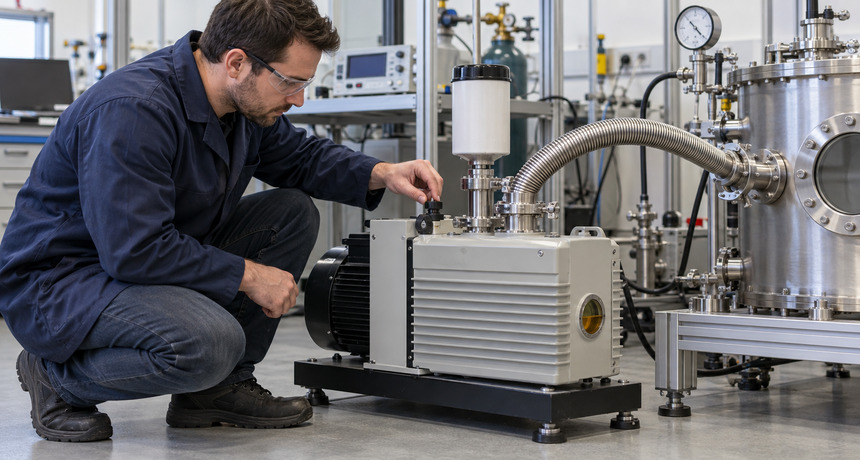
A turbomolecular pump may be the component that produces high vacuum, but it cannot do the job alone. Every turbomolecular pump must discharge into a foreline that is continuously evacuated by a backing pump. If pressure on that outlet side rises too far, the turbo may run hot, lose compression, take longer to reach speed, or shut down even when the pump itself is mechanically sound.
29Aug
Properly Sizing a Vacuum System for Your Application
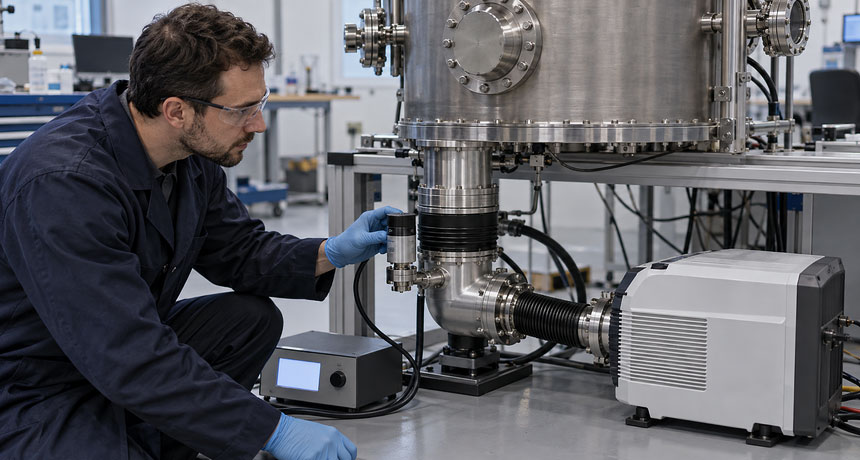
Properly sizing a vacuum system involves more than selecting a pump with enough pumping speed. The pump, chamber, plumbing, valves, gauges, gas load, process conditions, and required cycle time all work together. A pump that looks perfect on a datasheet may perform very differently once it is connected to a real chamber through several feet of tubing, elbows, valves, and fittings.
14Aug
Understanding Molecular Drag Pumps and Their Applications
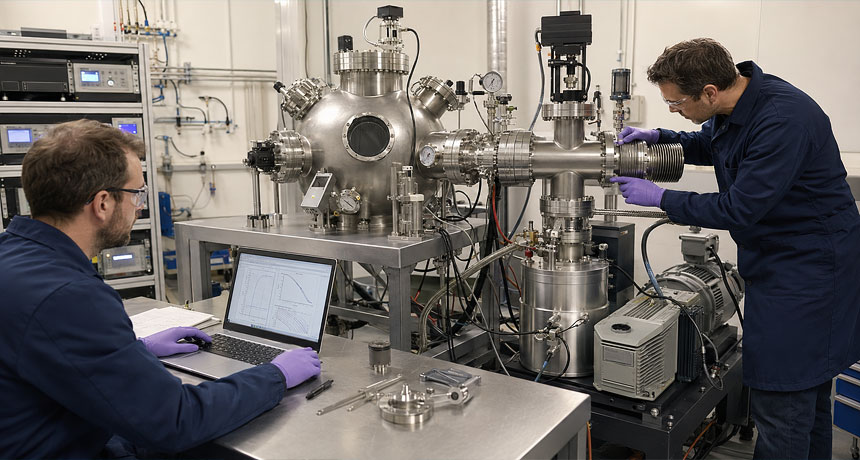
Molecular drag pumps occupy an interesting place in vacuum technology. The basic principle dates back more than a century, yet it remains highly relevant in modern high-vacuum equipment. In fact, many users benefit from molecular drag pumping without realizing it because the technology is frequently integrated into compound turbomolecular pumps rather than used as a completely separate pump.
10Apr
The Role of Backstreaming in Vacuum Contamination
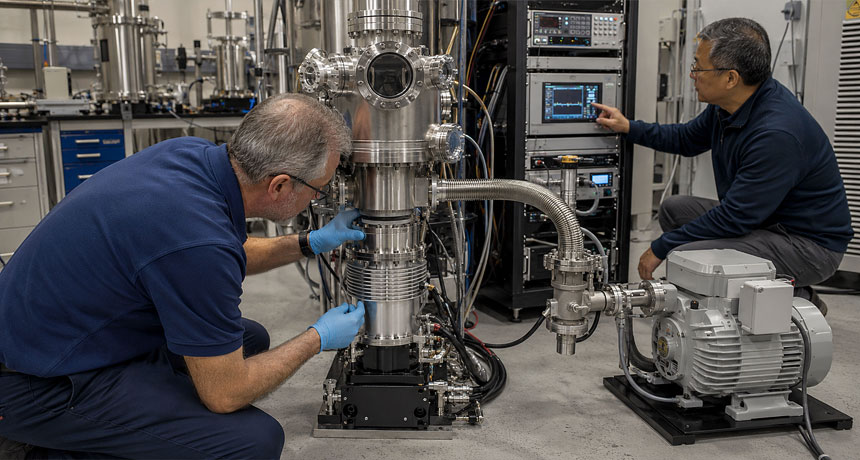
In vacuum work, contamination problems are often blamed on the obvious suspects: leaks, dirty parts, bad materials, or poor cleaning. Those are all real causes. But one contamination source is easy to underestimate because it can come from inside an otherwise functional pumping system: backstreaming.
22Mar