




23May
09May
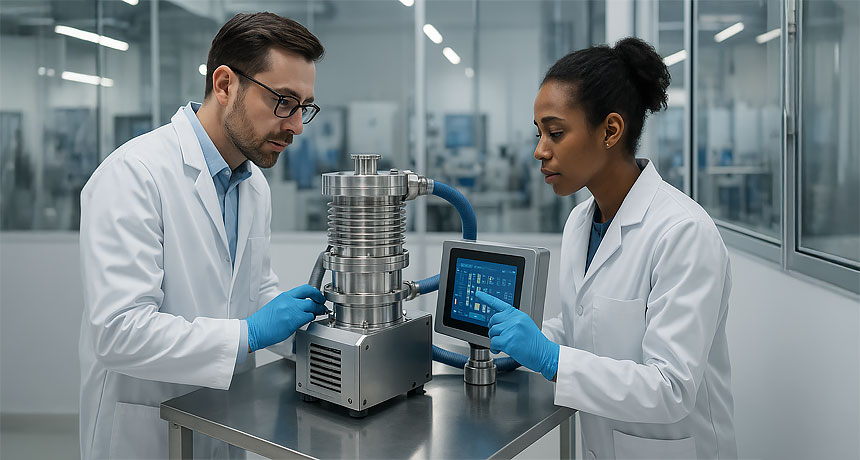
Understanding the Relationship Between Vacuum Level and Pumping Speed
In any vacuum system — whether for research, manufacturing, or analytical applications — two critical performance indicators are vacuum level and pumping speed. These parameters are closely linked, and understanding how they interact is key to optimizing your vacuum process. Misunderstandings in this area can lead to poor system design, inefficient pump selection, or misinterpreted performance expectations. This article explores the relationship between vacuum level and pumping speed, explains the physics and engineering behind it, and offers practical guidance for...
26Apr
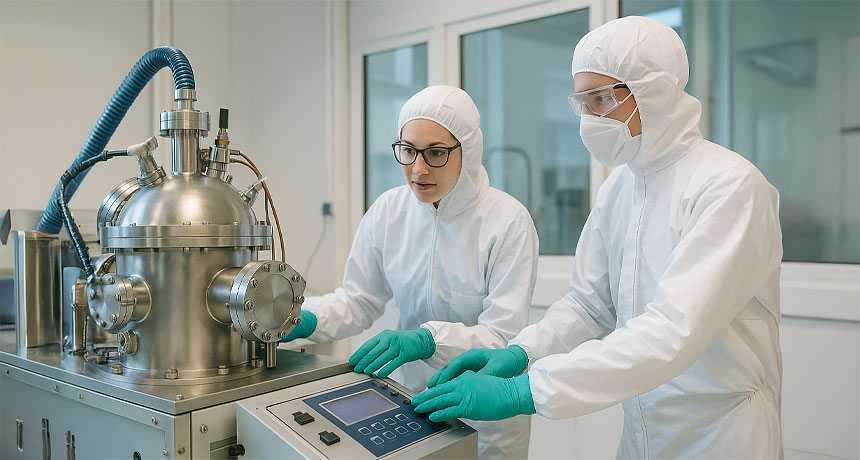
Best Practices for Installing and Using Vacuum Pressure Transducers
In the world of high and ultra-high vacuum applications, accurate pressure measurement is absolutely critical. Whether you are working in semiconductor fabrication, materials research, pharmaceutical production, or any other high-precision industry, the reliability of your vacuum system often hinges on the performance of your vacuum pressure transducers.
11Apr
When to Use a Helium Leak Detector vs a Mass Spectrometer
In the precise world of vacuum technology, leak detection is critical to ensuring system performance, maintaining safety, and preserving product integrity. Whether you're working with turbomolecular pumps in semiconductor manufacturing or high-vacuum chambers in laboratory research, the smallest leak can lead to significant consequences. Two of the most common methods for leak detection — helium leak detectors and mass spectrometers — each offer unique advantages depending on your application.
28Mar
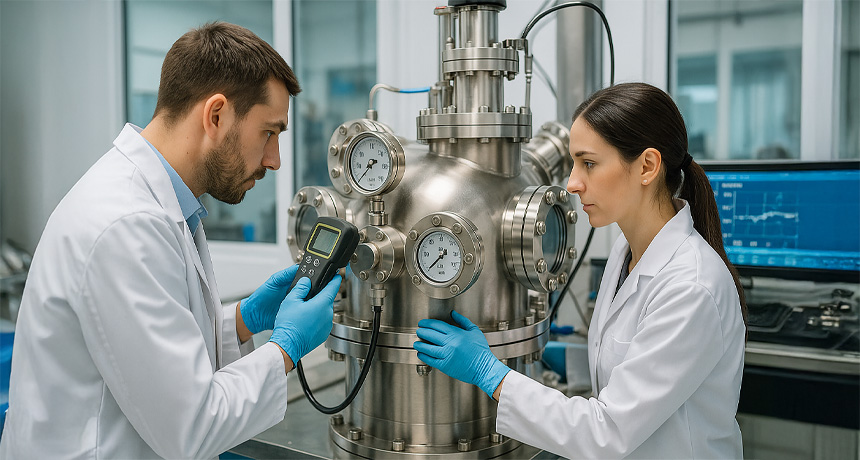
How to Calibrate a Vacuum Gauge for Accurate Readings
In the realm of industrial and laboratory applications, particularly those involving turbomolecular vacuum pumps, the accuracy of vacuum measurements is paramount. Precise readings ensure optimal performance, maintain safety standards, and uphold the integrity of experimental results. Regular calibration of vacuum gauges is essential to achieve and maintain this accuracy. This comprehensive guide will walk you through the importance of calibration, the methods available, and a step-by-step procedure to calibrate your vacuum gauge effectively.
14Mar
Pros and Cons of Rotary Vane Pumps: Direct Drive vs Magnetically Coupled Drives
Rotary vane pumps are widely used in various industries for applications requiring consistent fluid displacement, such as HVAC systems, automotive fuel pumps, and hydraulic equipment. The choice of drive mechanism—direct drive or magnetically coupled drive—can significantly affect the pump’s performance, efficiency, and longevity. Here, we compare both systems, examining their respective advantages and disadvantages.
28Feb
Why Mineral Oil is Most Commonly Used in Rotary Vane Vacuum Pumps
Rotary vane vacuum pumps are essential tools in a variety of industries, offering reliable and efficient vacuum generation for applications ranging from laboratory work to industrial processes. The choice of lubrication and sealing fluid is crucial for optimal pump performance and longevity. Among the various options, mineral oil is the most commonly used lubricant and sealing fluid in rotary vane vacuum pumps. This article explores the reasons behind the widespread use of mineral oil in these pumps, highlighting its unique...
14Feb
The Role of Getter Pumps in Ultra-High Vacuum Systems
Ultra-high vacuum (UHV) systems are critical in advanced industrial and research applications—ranging from semiconductor manufacturing and particle accelerators to surface science research and electron microscopy. In these systems, even trace amounts of residual gases can compromise experimental accuracy or process efficiency. To achieve and maintain the extreme vacuum levels required, getter pumps play an indispensable role. This blog post delves into what getter pumps are, how they function within UHV systems, and why they are vital for modern vacuum applications.
13Jan
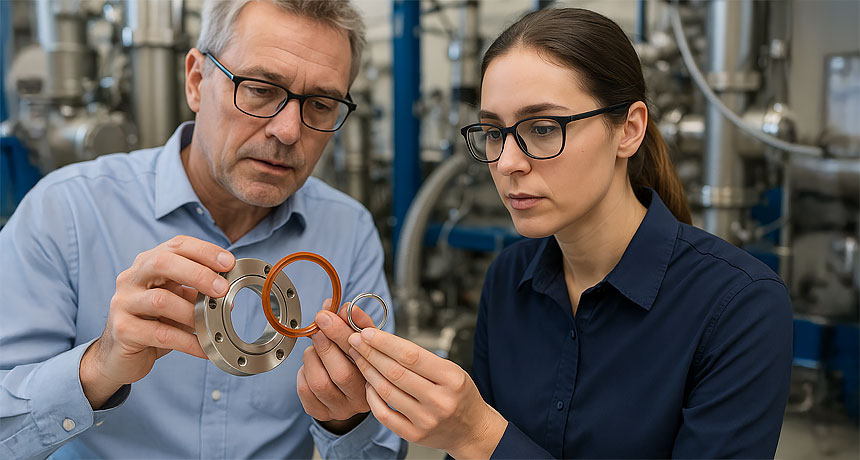
Troubleshooting Common Issues in Vacuum Systems: A Practical Guide
Vacuum systems are integral to a wide range of industrial and laboratory applications, from semiconductor manufacturing to pharmaceutical processing. These systems, especially those incorporating turbomolecular vacuum pumps, demand precision and reliability to maintain optimal performance. However, even the best-designed vacuum systems can encounter issues that disrupt operations. Identifying and resolving these problems promptly is essential to minimize downtime and maintain efficiency.
12Dec

