


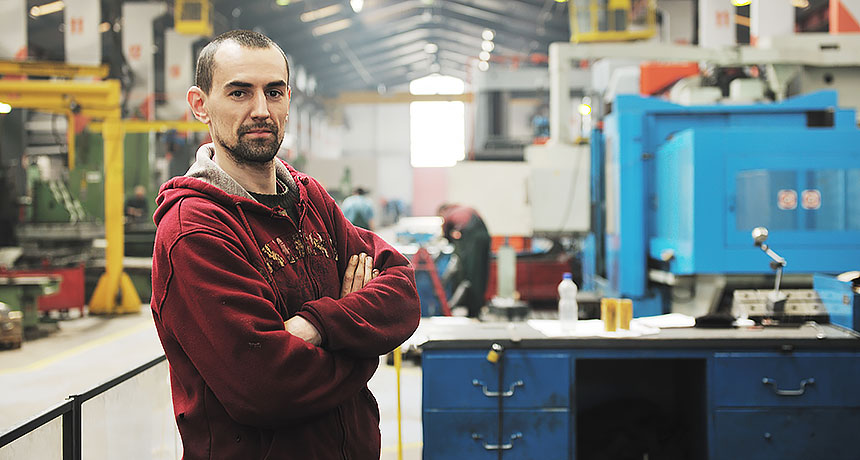
Safety Considerations For Vacuum Systems
Vacuum systems are widely used in various industries, such as semiconductor manufacturing, pharmaceuticals, and space exploration. However, operating a vacuum system requires a good understanding of the potential hazards and safety considerations. In this article, we will discuss some important safety considerations for vacuum systems.
Pressure and vacuum hazards
One of the main hazards associated with vacuum systems is pressure. The pressure inside a vacuum chamber is much lower than atmospheric pressure, which can cause parts of the chamber to implode or collapse. In extreme cases, this can result in an explosion or fire. Therefore, it is essential to ensure that the vacuum chamber and all its components can withstand the vacuum pressure.
On the other hand, sudden changes in pressure can also be dangerous. For example, if a valve is suddenly opened, the sudden release of gas can cause the pressure to drop rapidly, leading to a rapid and dangerous release of energy. This is known as a “pressure surge” or “vacuum explosion.”
Chemical hazards
Another potential hazard associated with vacuum systems is the use of chemicals. Some vacuum systems use chemicals, such as solvents or gases, to maintain a vacuum or to clean the chamber. These chemicals can be hazardous if not handled properly. For example, some chemicals can be toxic, flammable, or explosive, and may require special handling procedures.
Electrical hazards
Vacuum systems often use electrical equipment, such as pumps, heaters, and sensors. These electrical components can be a source of hazards, especially in low-pressure environments. The low pressure inside a vacuum chamber can cause electrical arcing, which can damage equipment and cause fires or explosions.
Radiation hazards
In some vacuum systems, radiation can be a potential hazard. For example, in semiconductor manufacturing, ion implantation is used to introduce dopants into silicon wafers. The ion beams used in this process can generate X-rays, which can be harmful to operators and other personnel. Therefore, it is essential to ensure that radiation safety procedures are in place and that personnel are trained in radiation safety.
Temperature hazards
Vacuum systems can generate high temperatures, which can be a potential hazard. For example, some vacuum systems use plasma to clean the chamber or deposit thin films. Plasma can generate temperatures of several thousand degrees Celsius, which can cause burns or damage to equipment.
Oxygen deficiency hazards
Some vacuum systems, such as those used in space simulation or vacuum metallurgy, can create an oxygen-deficient environment. This can be dangerous for personnel working in or near the system, as it can cause dizziness, unconsciousness, and even death. Therefore, it is important to monitor the oxygen levels and to have emergency procedures in place in case of oxygen deficiency.
Noise hazards
Vacuum pumps and other equipment used in vacuum systems can generate high levels of noise, which can be harmful to operators and other personnel. Exposure to high levels of noise can cause hearing loss and other health problems. Therefore, it is important to use appropriate hearing protection and to ensure that noise levels are within safe limits.
Ergonomic hazards
Operating a vacuum system can involve repetitive motions, awkward postures, and heavy lifting. These ergonomic hazards can cause musculoskeletal disorders, such as back pain, carpal tunnel syndrome, and tendinitis. Therefore, it is important to design the system and workstations with ergonomics in mind and to provide training and equipment to prevent these hazards.
Maintenance hazards
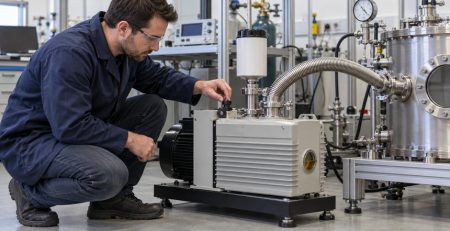
Vacuum systems require regular maintenance to ensure their proper functioning. However, maintenance activities can be hazardous, especially if not performed correctly. For example, opening a vacuum chamber can expose personnel to hazardous chemicals or high-pressure gases. Therefore, it is important to follow proper procedures for maintenance and to provide personnel with appropriate training and personal protective equipment.
Training and safety procedures
Finally, it is essential to have appropriate training and safety procedures in place for personnel working with vacuum systems. Personnel should receive training on the hazards associated with vacuum systems, as well as on the proper use of personal protective equipment and emergency procedures. Safety procedures should be clearly documented and regularly reviewed to ensure their effectiveness.
Conclusion
Operating a vacuum system requires a good understanding of the potential hazards and safety considerations. Pressure and vacuum hazards, chemical hazards, electrical hazards, radiation hazards, temperature hazards, oxygen deficiency hazards, noise hazards, ergonomic hazards, and maintenance hazards are all potential hazards associated with vacuum systems. Therefore, it is essential to design the system and workstations with safety in mind, provide appropriate training and personal protective equipment, and follow proper procedures for maintenance and emergency situations. By following these safety considerations, personnel can operate vacuum systems safely and effectively.
If you have any questions or concerns about the safety considerations for vacuum systems, you can always contact the experts at High Vac Depot. High Vac Depot is a leading supplier of high vacuum equipment, components, and services. Our team of experts has extensive experience in vacuum technology and can provide guidance and support on a wide range of vacuum-related topics, including safety considerations. Contact High Vac Depot today to learn more.
Share this post
Leave a Reply
You must be logged in to post a comment.

Comment (1)
[…] Leak Test Medium: Selecting the appropriate leak test medium, such as air, helium, or another gas, is crucial for the detection of leaks. Helium leak testing, in particular, is highly sensitive and commonly used in vacuum technology. […]