



High Vacuum Environments: Container Closure Integrity Testing
In the pharmaceutical and medical device industries, ensuring the sterility and safety of products is paramount. One of the most critical aspects of maintaining product safety is verifying that packaging provides an effective barrier against contaminants. Container Closure Integrity Testing (CCIT) plays a vital role in this process by ensuring that containers—whether they hold sterile drugs, vaccines, or medical devices—are properly sealed. High vacuum environments, facilitated by advanced industrial vacuum pumps, are essential to performing CCIT accurately and reliably.
At High Vac Depot, we specialize in providing advanced vacuum technology for laboratory and industrial applications, including those essential to CCIT. In this blog post, we’ll explore what container closure integrity testing is, the importance of high vacuum environments in this process, and how our vacuum pumps, such as turbomolecular pumps, enable accurate and efficient CCIT.
What is Container Closure Integrity Testing (CCIT)?
Container Closure Integrity Testing (CCIT) is a method used to verify that the packaging of pharmaceutical products or medical devices is properly sealed to prevent leaks and protect the product from contamination. Packaging must maintain its integrity to ensure that the product inside remains sterile, stable, and safe for patient use. CCIT helps identify potential issues like microscopic leaks or defects that could compromise the product’s quality over time.
Key Components of CCIT:
- Containers: These can be glass vials, ampoules, syringes, blister packs, or IV bags used in the pharmaceutical industry.
- Closures: The closure is the element that seals the container, such as stoppers, caps, or lids.
- Packaging System: Together, the container and closure must provide a robust barrier against air, moisture, microbes, and other external contaminants.
Why is Container Closure Integrity Testing Important?
Container closure integrity is critical in ensuring that pharmaceutical and medical device products maintain their efficacy, safety, and shelf life. Any breach in the container or packaging can lead to contamination, degradation of the product, or a loss of sterility, putting patients at risk and exposing manufacturers to regulatory violations and recalls.
Regulatory Requirements: Regulatory bodies like the U.S. Food and Drug Administration (FDA) and European Medicines Agency (EMA) mandate container closure integrity testing as part of their Good Manufacturing Practice (GMP) guidelines. Pharmaceutical companies must demonstrate that their packaging systems can reliably protect their products throughout their shelf life.
Sterility Assurance: Products such as injectable drugs, biologics, and vaccines must remain sterile from the moment they are manufactured until they are administered to the patient. CCIT ensures that there are no leaks or defects that could compromise sterility.
Product Stability: Many pharmaceuticals are sensitive to changes in humidity, oxygen, and other environmental factors. Container closure integrity testing ensures that the packaging effectively shields the product from these elements, preserving its stability and potency.
High Vacuum Environments in CCIT
One of the most reliable and effective methods for conducting CCIT is through the use of high vacuum environments. Vacuum-based CCIT methods utilize pressure differences to detect leaks or integrity breaches in packaging. By creating a controlled vacuum environment around the container, even the smallest leaks can be identified.
How High Vacuum Environments Work in CCIT
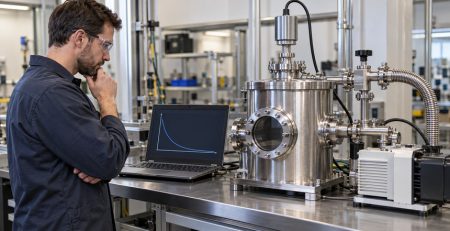
In vacuum-based CCIT, the container is placed inside a vacuum chamber, and the air pressure is reduced. If the container is properly sealed, there will be no change in the internal pressure of the packaging. However, if there is a leak or defect, the vacuum will cause the air inside the container to escape, which can then be measured using sensitive detectors.
There are several common vacuum-based methods used in CCIT:
- Vacuum Decay Testing: This method involves reducing the pressure inside a test chamber and monitoring the pressure for any changes over time. If the packaging is intact, the pressure will remain stable. Any increase in pressure indicates a leak or breach in the container.
- Helium Leak Detection: In this method, containers are filled with helium gas and then placed in a vacuum chamber. If there is a leak, helium molecules will escape from the container and can be detected by a mass spectrometer. This method is highly sensitive and can detect even microscopic leaks.
- Mass Extraction Testing: This technique involves placing the container in a vacuum chamber and drawing a vacuum inside the chamber. Any leak will result in the mass flow of gas from the container into the chamber, which can then be measured.
Role of Vacuum Pumps in CCIT
To create the high vacuum environments necessary for CCIT, industrial vacuum pumps are required. At High Vac Depot, we supply a range of advanced vacuum pumps suited for the rigors of CCIT applications.
Turbomolecular Pumps
Turbomolecular pumps are ideal for CCIT applications because they can achieve the ultra-high vacuum levels required for sensitive testing. These pumps operate by using high-speed rotors to move gas molecules, creating a vacuum with pressures as low as 10^-9 torr.
Benefits of Turbomolecular Pumps for CCIT:
-
- Ultra-High Vacuum Levels: Turbomolecular pumps can achieve the high vacuum levels necessary for detecting even the smallest leaks in packaging.
- Oil-Free Operation: These pumps are oil-free, which eliminates the risk of contamination in the testing environment.
- Precision Control: The ability to control vacuum levels precisely ensures accurate and repeatable results in CCIT.
Rotary Vane Pumps
Rotary vane pumps are commonly used as backing pumps in combination with turbomolecular pumps in CCIT applications. These pumps provide a reliable source of rough vacuum, ensuring that the vacuum chamber is pre-evacuated before the turbomolecular pump takes over.
Benefits of Rotary Vane Pumps:
-
-
- Durability and Reliability: Rotary vane pumps are known for their durability and ability to maintain consistent vacuum levels.
- Versatility: These pumps can be used in a wide range of vacuum applications, including CCIT.
-
Dry Pumps
Dry pumps, such as dry screw pumps and dry scroll pumps, are another excellent option for CCIT applications. These pumps operate without oil or other lubricants, making them ideal for environments where contamination must be avoided.
Benefits of Dry Pumps:
-
-
- Clean Operation: The oil-free design of dry pumps ensures that no contaminants are introduced into the testing environment.
- Low Maintenance: Dry pumps require less maintenance than traditional oil-sealed pumps, reducing downtime and operating costs.
-
The Importance of Vacuum Quality in CCIT
The quality of the vacuum environment is crucial for accurate and reliable CCIT. A poorly maintained or inefficient vacuum system can result in inaccurate test results, leading to false positives or false negatives in leak detection. This is why using high-quality vacuum pumps and ensuring regular maintenance is essential for any facility conducting CCIT.
At High Vac Depot, we understand the critical role that vacuum systems play in container closure integrity testing. Our range of vacuum solutions, including turbomolecular pumps, rotary vane pumps, and dry pumps, are designed to meet the demanding requirements of the medical and pharmaceutical industries.
Conclusion
High vacuum environments are indispensable in container closure integrity testing, ensuring that pharmaceutical products and medical devices are safely sealed and protected from contamination. Whether you are testing injectable drugs, biologics, or medical device packaging, vacuum-based CCIT methods provide reliable, accurate results.
At High Vac Depot, we are dedicated to providing the highest quality vacuum pumps and systems for CCIT applications. Our range of turbomolecular, rotary vane, and dry pumps offers the performance and reliability you need to maintain the integrity of your products.
If you have any questions about our vacuum solutions or how they can support your container closure integrity testing needs, please contact the experts at High Vac Depot. Contact us today to learn more about how we can help keep your processes running smoothly and efficiently.









Leave a Reply
You must be logged in to post a comment.