


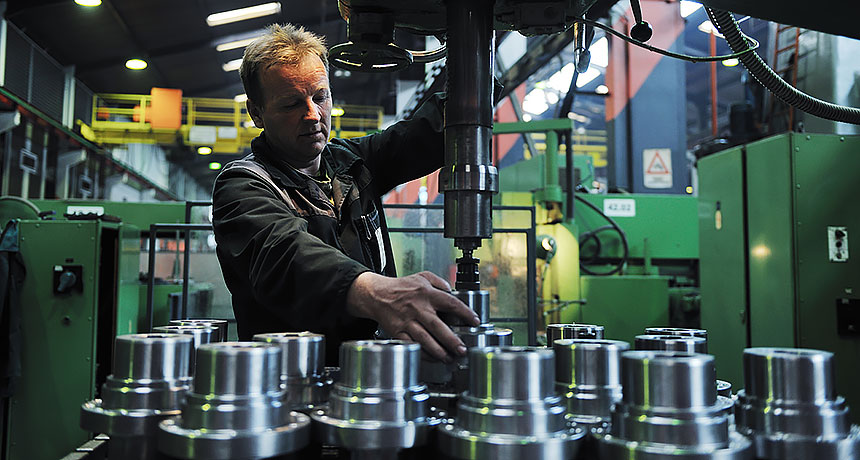
Best Methods for Venting a Vacuum System
A properly vented vacuum system is crucial for optimal performance and safety. In this comprehensive blog post, we will explore the best methods for venting a vacuum system in detail. We will draw insights from various sources, including industry experts and reputable organizations, to provide valuable information for High Vac Depot and its customers.
Understanding the Importance of Venting
To establish a solid foundation, let’s first understand why venting is essential in a vacuum system. Venting plays a critical role in the following aspects:
- Removal of Non-Condensable Gases: Non-condensable gases, such as air or other contaminants, can hinder the performance of a vacuum system. Proper venting ensures the effective removal of these gases, maintaining system efficiency.
- Contamination Control: Venting helps to maintain cleanliness within the vacuum system by removing particulates, moisture, and other contaminants that can degrade performance or damage sensitive components.
- Pressure Release: During system shutdowns or emergencies, venting allows for the safe release of pressure, preventing potential hazards and damage.
Factors Affecting Venting
Several factors influence the effectiveness of venting in a vacuum system. It is important to consider these factors while choosing the appropriate venting method. Some of these factors include:
- Desired Vacuum Level: The required level of vacuum dictates the venting approach and equipment selection.
- Gas Composition: The nature and composition of gases present in the system affect the choice of venting method. Different gases may require specific techniques for efficient removal.
- Vacuum Pump Type: Different types of vacuum pumps, such as rotary vane pumps, turbomolecular pumps, or cryopumps, may require specific venting approaches based on their design and capabilities.
- System Design and Components: The overall system design, including valves, seals, and connectors, can impact venting efficiency. Properly designed systems with optimized components facilitate effective venting.
Recommended Venting Methods
Passive Venting
Passive venting methods rely on natural diffusion or pressure differentials to remove gases. These methods are suitable for low vacuum applications or systems with minimal gas loads. Common passive venting techniques include:
- Vents and Filters: Installing vents or filters with specific permeability allows gases to escape while preventing contaminants from entering the system.
- Permeation Membranes: Membranes with selective permeability enable the passage of gases, facilitating their removal from the vacuum system.
- Gas-Absorbing Materials: Utilizing gas-absorbing materials, such as activated charcoal or zeolites, can help remove specific gases through adsorption.
Active Venting
Active venting methods involve mechanical or technological assistance to enhance gas removal efficiency. Some commonly used active venting techniques include:
- Gas Ballasting: This method involves introducing a controlled amount of a suitable gas (e.g., dry air or nitrogen) into the system during pump operation. Gas ballasting helps prevent condensation and improves the removal of water vapor and other volatile compounds.
- Ejector Systems: Ejector systems utilize high-velocity gas jets or steam to create pressure differentials, facilitating the removal of gases. These systems are particularly effective for high vacuum applications.
- Cryopumping: Cryopumps employ extremely low temperatures to freeze and capture gases present in the system. This method is highly efficient for removing water vapor and other condensable gases.
Safety Considerations
Safety is of paramount importance when working with vacuum systems. Proper venting practices help mitigate potential hazards. Consider the following safety aspects:
- Adequate Workspace Ventilation: Ensure proper ventilation in the workspace to prevent the accumulation of released gases. Proper airflow and ventilation systems minimize potential risks.
- Gas Leak Detection: Implement appropriate safety protocols and monitoring systems to detect and promptly address any gas leaks within the vacuum system.
- Pump Maintenance and Inspection: Regularly inspect and service vacuum pumps according to the manufacturer’s guidelines. Proper maintenance ensures efficient venting and prolongs the life of the equipment.
Conclusion
Proper venting is a critical aspect of maintaining a high-performing and safe vacuum system. By implementing the recommended venting methods and considering safety guidelines, High Vac Depot’s customers can optimize the performance and longevity of their vacuum systems. It is important to consult professional advice and adhere to manufacturer recommendations for specific vacuum systems to ensure optimal results and safety.
If you have any questions or concerns about the safety considerations for vacuum systems, you can always contact the experts at High Vac Depot. High Vac Depot is a leading supplier of high vacuum equipment, components, and services. Our team of experts has extensive experience in vacuum technology and can provide guidance and support on a wide range of vacuum-related topics, including safety considerations. Contact High Vac Depot today to learn more.
Disclaimer: The information provided in this blog post is for educational purposes only. It is essential to consult professional advice and adhere to manufacturer recommendations for specific vacuum systems.
Share this post
Leave a Reply
You must be logged in to post a comment.


Comment (1)
[…] of water vapor pumping and explore various strategies and technologies to enhance its removal from vacuum systems. We’ll draw insights from the expertise of vacuum industry leaders and educational institutions […]