


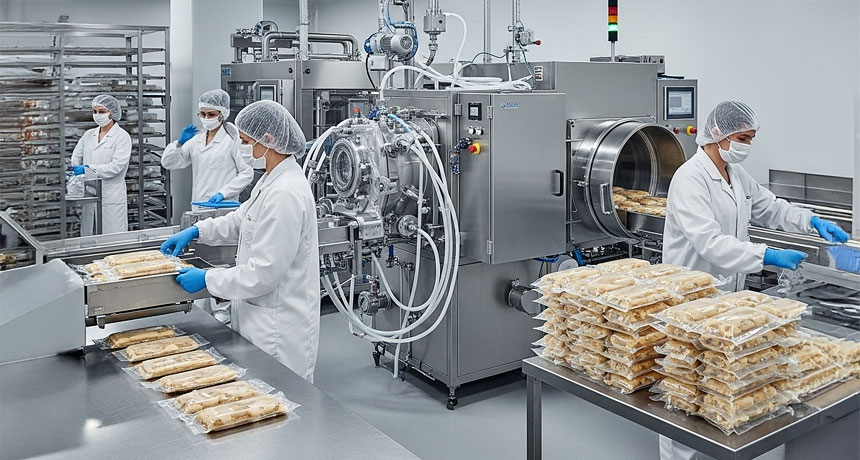
Using Vacuum Systems in Food Processing and Preservation
Vacuum technology isn’t just for laboratories, industrial manufacturing, or scientific research — it’s also a powerful ally in the food industry. From extending shelf life to improving flavor and texture, vacuum systems are central to many modern food processing and preservation techniques. In this post, we’ll explore why vacuum matters in food applications, examine popular vacuum-based processes, and offer best practices for operators looking to optimize their systems for hygiene, efficiency, and quality.
What Vacuum Does for Food
At its core, vacuum technology removes air — particularly oxygen, moisture, and volatile compounds — from food packaging, processing chambers, or storage environments. This has multiple benefits:
- Extended shelf life: Oxygen accelerates oxidation, spoils fats, and supports microbial growth. Removing it slows spoilage.
- Flavor retention: Volatile aromas are preserved, not lost to the atmosphere.
- Enhanced texture and appearance: Minimizing moisture loss and preventing freezer burn in frozen foods maintains consistency.
- Improved safety: Lower oxygen levels inhibit aerobic bacteria, reducing the risk of spoilage or foodborne illness.
Common Vacuum Processes in Food
1. Vacuum Packaging (Sealing & Skin Packing)
One of the most widespread uses is vacuum packaging. Whole cuts of meat, cheese, coffee, and other products are placed in high-barrier bags or films, air is evacuated, and the package is heat-sealed. Options include:
- Tray seal systems: Produce rigid trays with tight film lids.
- Skin packaging: The film tightly conforms around the product’s shape, ideal for display and shelf appeal.
By minimizing oxygen, moisture, and microbial growth, products remain fresher longer — with refrigerated and frozen shelf lives routinely doubling compared to conventional methods.
2. Vacuum Cooling
Often used for produce like lettuce, herbs, and leafy greens, vacuum cooling rapidly lowers the product temperature after harvest. Under reduced pressure, water evaporates at lower temperatures, removing heat without damaging delicate textures. This cooling reduces field heat, slows respiration, and extends freshness without waterlogging.
3. Vacuum Frying & Dehydration
Vacuum frying allows frying at lower temperatures, resulting in reduced oil uptake, better color retention, and fewer undesirable compounds. Vacuum dehydrators operate on the same principle — drying fruits, vegetables, or meats at low pressure and moderately low heat, preserving texture, color, and nutrient content.
4. Freeze-Drying (Lyophilization)
A premium preservation method, freeze-drying involves freezing the product and then using vacuum to sublimate ice directly to vapor. This removes moisture while retaining structure, nutrients, and flavor. The result: lightweight foods with long shelf life, ideal for emergency rations, pet food, and high-end snacks.
5. Degassing and Decarbonation
Foods like coffee, chocolate, oils, and sauces naturally release gases. Vacuum degassing extracts these volatiles before packaging, preventing bloated packages, ensuring accurate fill levels, and improving stability. In chocolate, it also removes moisture and trapped air, preventing bloom and improving texture.
Types of Vacuum Systems Used in Food
Selecting the right vacuum pump and system design depends on the process and volume:
- Rotary vane pumps: Common for packaging and freeze-drying setups.
- Scroll and diaphragm pumps: Oil-free options ideal for food-safe environments.
- Roots-blower boosters: Used alongside primary pumps to increase pumping speed for vacuum cooling and large chambers.
- Combination systems: Example: diaphragm + Roots or scroll + Roots, for variable vacuum needs.
Best results require stainless steel vacuum chambers, sanitary fittings, food-grade seals, and compliance with regulations such as USDA, FDA, or EU food contact guidelines. Dry, oil-free pumps simplify compliance and maintenance by eliminating contamination risk.
Best Practices for Food-Grade Vacuum Use
1. System Cleanliness & Hygiene
- Use food-grade stainless steel components.
- Include Clean-In-Place (CIP) capability.
- Select oil-free pumps to avoid product moisture contamination.
- Implement regular sanitation protocols to prevent microbial contamination.
2. Seal Integrity
- Ensure high-quality, food-approved gaskets and O-rings.
- Check for smooth, undamaged sealing surfaces.
- Implement regular seal inspection and replacement schedules.
3. Monitor Pressure and Process
- Install vacuum and pressure sensors with real-time data logging.
- Keep logbooks tracking pump-down times, peak vacuum levels, and process deviations.
4. Temperature Control
Vacuum processing often involves thermal cycles like cooling, frying, freeze-drying. Integrated temperature control ensures process precision and product quality.
5. Maintenance & Downtime Planning
- Create preventive maintenance schedules for pumps, seals, and sensors.
- Track pump operating hours vs. rated maintenance intervals.
- Stock common replacement parts like seals, valves, filters.
- Train staff in basic maintenance and emergency procedures.
Case Studies and Examples
- Vacuum cooling for leafy greens: One vegetable packer reduced post-harvest weight loss by 3–5% and increased shelf life by 30% using a vacuum chiller.
- Freeze-dried fruits: Producers create lightweight, nutrient‑rich snacks with strong consumer appeal.
- Vacuum-packaged meat: A butcher shop cut spoilage over 50% and improved inventory tracking.
Regulatory and Compliance Considerations
- Ensure equipment meets USDA 3-A or FDA material standards.
- Maintain documentation and traceability for cleaning, maintenance, and validation.
- Include vacuum processes in HACCP plans, especially for temperature- and moisture-sensitive foods.
Conclusion
Vacuum technology has become indispensable to modern food processing — from extending freshness and ensuring safety to enabling premium product formats like freeze-dried snacks. When systems are well-designed, hygienically maintained, and properly monitored, vacuum-based methods deliver consistent quality, increased shelf life, and production efficiencies.
If you’re exploring vacuum packaging, vacuum cooling, freeze-drying, or another application in food processing, the knowledgeable team at High Vac Depot is here to help. Whether you need system design advice, component selection, or technical support, contact us today to discuss your food-grade vacuum requirements and find tailored solutions that ensure top performance and compliance.






Leave a Reply
You must be logged in to post a comment.