


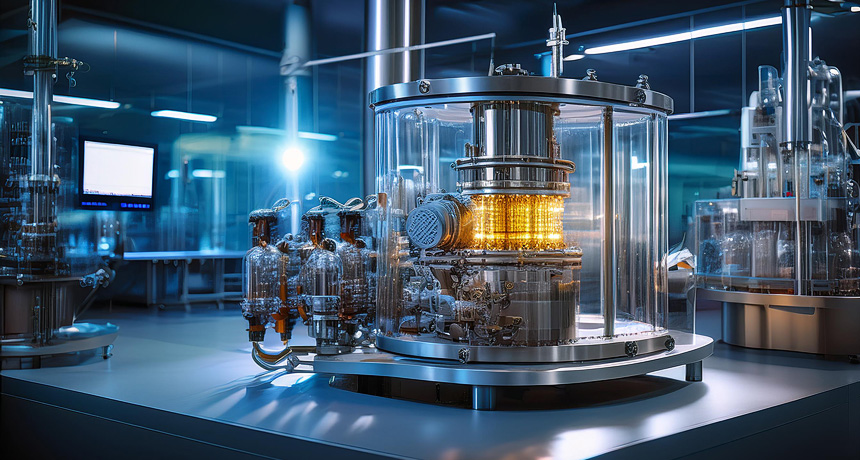
The Role of Getter Pumps in Ultra-High Vacuum Systems
Ultra-high vacuum (UHV) systems are critical in advanced industrial and research applications—ranging from semiconductor manufacturing and particle accelerators to surface science research and electron microscopy. In these systems, even trace amounts of residual gases can compromise experimental accuracy or process efficiency. To achieve and maintain the extreme vacuum levels required, getter pumps play an indispensable role. This blog post delves into what getter pumps are, how they function within UHV systems, and why they are vital for modern vacuum applications.
Understanding Getter Pumps
Getter pumps are specialized vacuum pumps designed to remove residual gases by chemically binding or “gettering” them onto a reactive surface. Unlike mechanical or turbomolecular pumps that physically displace gas molecules, getter pumps rely on chemical reactions to achieve ultra-high vacuum levels. This approach allows getter pumps to continuously absorb gases, ensuring that even minute concentrations are effectively removed from the vacuum environment.
There are two primary types of getter pumps used in UHV applications: evaporable getters and non-evaporable getters (NEGs). While both serve the essential function of maintaining an ultra-high vacuum, they operate on different principles and are chosen based on the specific requirements of the system.
Evaporable Getters vs. Non-Evaporable Getters
Evaporable Getters
Evaporable getter pumps work by thermally evaporating a reactive metal—typically titanium—onto a surface within the vacuum chamber. This freshly deposited film acts as a powerful absorber for residual gases, including hydrogen, oxygen, and nitrogen. The deposition process creates a continuously renewing reactive surface that actively binds to gas molecules, effectively “pumping” them out of the system.
Key features of evaporable getters include:
- High Reactivity: The freshly deposited film has a high affinity for gas molecules, ensuring rapid gettering.
- Dynamic Operation: As the reactive surface becomes saturated, it is periodically refreshed by re-evaporation.
- Applications: Evaporable getters are often employed in systems where periodic maintenance is feasible and where high pumping speeds for specific gases are required.
Non-Evaporable Getters (NEGs)
In contrast, non-evaporable getter pumps utilize materials—such as zirconium-based alloys—that have been pre-activated to a state where they can continuously absorb gases without the need for evaporation. NEGs are typically integrated as thin films coated on the interior surfaces of the vacuum chamber or as stand-alone modules. Once activated, these getters provide long-term, passive pumping by forming stable chemical compounds with residual gases.
Advantages of NEGs include:
- Longevity: Once activated, NEGs can maintain their pumping capability for extended periods with minimal maintenance.
- Ease of Integration: NEGs can be integrated directly into the design of UHV systems, reducing system complexity.
- Low Operating Temperatures: Unlike evaporable getters, NEGs do not require high operating temperatures to function effectively, making them suitable for temperature-sensitive applications.
How Getter Pumps Enhance Ultra-High Vacuum Systems
Achieving ultra-high vacuum conditions involves removing all possible contaminants, including water vapor, hydrocarbons, and other residual gases. Getter pumps are particularly effective in addressing these challenges:
1. Complementing Mechanical Pumps
In many UHV systems, getter pumps are used alongside turbomolecular or ion pumps. While mechanical pumps are highly effective at removing bulk gases, they can struggle with light gases such as hydrogen. Getter pumps, on the other hand, excel at absorbing these lighter gases, thereby enhancing the overall vacuum quality. This complementary relationship is critical in maintaining the desired vacuum levels over long periods.
2. Reducing Outgassing Effects
Outgassing is a major challenge in UHV systems, where materials within the chamber slowly release gas molecules over time. Getters actively capture these released gases, preventing them from degrading the vacuum environment. This is particularly important in systems where even tiny amounts of gas can alter the outcomes of sensitive experiments or manufacturing processes.
3. Improving Vacuum Stability
Getter pumps contribute to the long-term stability of UHV systems by continuously binding to residual gases. This ensures that once the system is evacuated to the required levels, it remains stable without frequent intervention. For industrial processes, such as semiconductor fabrication, this stability is crucial for maintaining process uniformity and product quality.
4. Enabling Compact System Designs
The integration of getter pumps can reduce the overall complexity and footprint of a UHV system. Because getters do not require large mechanical assemblies or extensive moving parts, they allow for more compact and efficient system designs. This is a significant advantage in applications where space is at a premium, such as in portable analytical instruments or compact research setups.
Applications in Modern Industry
Getter pumps are used in a variety of high-tech industries where ultra-high vacuum conditions are mandatory:
Semiconductor Manufacturing
In semiconductor fabrication, achieving ultra-high vacuum is critical for processes such as chemical vapor deposition (CVD) and physical vapor deposition (PVD). Getter pumps help to remove residual gases that could contaminate thin film layers, thereby ensuring the integrity of semiconductor devices.
Particle Accelerators and Synchrotrons
Particle accelerators require ultra-high vacuum conditions to minimize collisions between accelerated particles and residual gas molecules. Getter pumps play a pivotal role in achieving the necessary vacuum levels, which is essential for maintaining beam stability and efficiency.
Surface Science and Analytical Instruments
Research in surface science, electron microscopy, and other analytical techniques demands environments free of contaminants. Getter pumps enable these instruments to operate under stable, ultra-high vacuum conditions, facilitating high-precision measurements and imaging.
Space Simulation Chambers
In the aerospace industry, vacuum systems are used to simulate the conditions of outer space for testing satellites and spacecraft components. Getter pumps ensure that these simulation chambers remain contaminant-free, thereby improving the reliability of test results and the overall durability of space-bound equipment.
Technical Considerations When Using Getter Pumps
While getter pumps offer many advantages, several technical considerations must be addressed for optimal performance:
Activation and Regeneration
Both evaporable and non-evaporable getters require proper activation before they can perform effectively. For evaporable getters, this means reaching the required temperature for metal evaporation. For NEGs, a controlled activation process is necessary to prepare the getter material for gas absorption. Over time, getters may become saturated with gases, necessitating regeneration procedures — either by re-evaporation or thermal cycling — to restore their pumping efficiency.
Compatibility with System Materials
Getter materials must be compatible with the vacuum chamber and other system components to avoid unwanted chemical reactions. Material compatibility is critical to ensuring that the getter does not degrade the surfaces it is meant to protect. Careful selection of getter materials and coatings is essential for long-term system stability.
Operating Temperature
The performance of getter pumps is highly sensitive to operating temperature. Evaporable getters require precise temperature control to ensure consistent deposition, while NEGs function optimally at lower temperatures. Maintaining the correct thermal environment within the UHV system is key to maximizing getter efficiency and longevity.
Integration and Placement
The strategic placement of getter pumps within a vacuum system can significantly influence overall performance. For instance, positioning getters near potential outgassing sources or areas prone to leaks can enhance their effectiveness. System designers must carefully plan getter placement to ensure uniform vacuum conditions throughout the chamber.
Maintenance and Troubleshooting
As with any sophisticated vacuum system, getter pumps require regular maintenance and monitoring:
- Monitoring Getter Performance: Regular checks of the vacuum pressure and gas composition can help identify when getter performance is declining. Modern UHV systems often incorporate sensors and gauges that provide real-time feedback, allowing operators to take timely corrective action.
- Scheduled Regeneration: To avoid saturation, getter materials should be regenerated on a scheduled basis. This might involve heating evaporable getters to redeposit fresh material or performing thermal cycles on NEGs.
- Cleaning and Inspection: Periodic inspections ensure that the getter surfaces remain free of contaminants. Cleaning protocols should be established based on the specific type of getter and the operational environment.
- Documentation: Maintaining a detailed log of getter performance, activation cycles, and any issues encountered can provide valuable insights for future maintenance and system optimization.
Future Developments in Getter Technology
The field of getter pump technology continues to evolve, driven by the demand for even lower pressures and more efficient vacuum systems. Researchers are exploring new materials and surface treatments that can enhance the gettering capacity and durability of both evaporable and non-evaporable getters. Innovations in miniaturization and integration are also on the horizon, potentially allowing getter pumps to be seamlessly incorporated into a wider range of compact and portable UHV systems.
Developments in smart monitoring and control systems will further enable predictive maintenance, ensuring that getter pumps operate at peak performance with minimal downtime. As industries continue to push the boundaries of what is possible under ultra-high vacuum conditions, getter pump technology will undoubtedly remain at the forefront of these advancements.
Conclusion
Getter pumps are a vital component in the arsenal of ultra-high vacuum technology. By chemically binding residual gases, they ensure that UHV systems maintain the extreme vacuum levels necessary for high-precision industrial and research applications. From semiconductor manufacturing to space simulation chambers, getter pumps enhance vacuum stability, reduce contamination, and enable more compact system designs. Their ability to complement mechanical pumps and mitigate outgassing challenges makes them indispensable for achieving and sustaining ultra-high vacuum conditions.
At High Vac Depot, we understand the complexities of UHV systems and the critical role that getter pumps play in maintaining their performance. Our experts are ready to assist you with selecting, integrating, and maintaining the right getter solutions for your applications. Contact High Vac Depot today with any questions or for more detailed guidance — let us help you achieve and maintain the perfect vacuum environment for your cutting-edge applications.





Leave a Reply
You must be logged in to post a comment.