


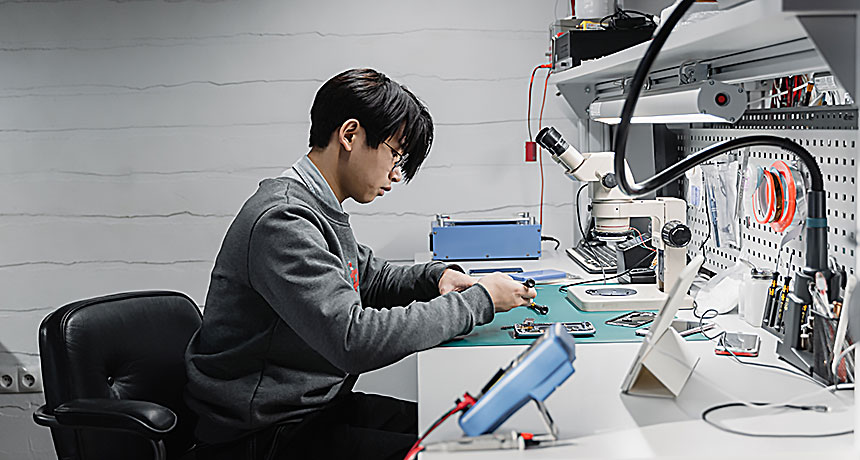
How To Select The Right Turbo Pump
Turbo pump selection is a critical decision for any vacuum process. The choice of the right vacuum pump will impact the performance and cost of your system. Choosing the wrong pump can lead to costly repairs, downtime, or even complete replacement of your entire system. This article discusses how you can make this important decision easier by following these ten steps.
1. Consider the Pump Flow Rate
The flow rate of the pump will dictate how quickly your process can reach a vacuum. You should first calculate the volume of your process and determine what time frame is required to generate your desired vacuum pressure. This will help you determine what quantity of vacuum is required and thus the flow rate needed. This will allow you to narrow down your options to only those that meet the time required for your project.
2. The Chemical Compatibility of the Pump
When considering your pump purchase, you must also take into account the chemical compatibility with your process. While many pumps are listed as “all-purpose,” they may not be compatible with all situations. Pumps made of plastic have a higher chance of interacting with chemicals and cannot withstand harsh acids or bases. Stainless steel is used to construct pumps that are more durable and able to withstand most chemicals.
3. Vacuum Drop Requirements
If you are working with toxic gases or liquids, it is important to consider the pressure fluctuations in your vacuum system. For a pump to effectively handle these fluctuations like turbo pumps, it must be designed for the correct amount of vacuum drop specified by the manufacturer. If you choose a pump not designed for the drop in pressure that your system may experience, it will need to be replaced over time.
4. Cv and Q Factors
Crossover frequency (f c) or vibration can be an issue in vacuum processes. The Cv factor is the speed at which air flows through your pump. This factor determines the highest vacuum pressure that is achievable without the pump creating too much vibration for your system. The Q factor is the ability of suction and exhaust valves to close quickly, allowing air to escape from your process. Pumps with high Q factors have valves that can close more quickly than those with lower Q factors. Both these factors play a role in your vacuum process.
5. Required Horsepower
When choosing a pump for your system, horsepower drives the final decision but requires some calculation and research to get an accurate reading. The first step is to determine how much flow is required at the lowest pressure your process will experience to reach your desired vacuum level. After calculating the flow, divide this amount into the horsepower required by your pump at that particular pressure (labeled as HP1). This will give you an accurate understanding of the size of the vacuum pump necessary to reach your desired pressure.
6. Lubrication and Cooling Requirements
The lubrication system of a pump can be another important factor to consider. If you are working with oils or liquid fillers, check that the oil is compatible with your process and does not leak into your vacuum chamber. Oil could float on top of the surface being drawn in from your liquid, causing problems such as foaming that will ruin your end product.
Proper cooling is an important factor to consider when purchasing a vacuum pump system. Several types of coolants can be used in conjunction with your vacuum pump. Oil was one of the first types of coolant, but it is known to leak into your process and rot sealings. Water is another option but can be hard to refill without spilling on your equipment and occasionally leak from the pump. Glycol coolants in pumps such as turbo pump are ideal for warmer applications since they do not freeze in cold temperatures, which could affect your vacuum process if it were to leak into your system.
7. Maintenance and Cost
Another important factor to consider is the upkeep that may be required on your vacuum pump. For long-term use, it is best to choose a pump made of stainless steel or epoxy resin for durability and chemical compatibility. These pumps can be cleaned easily when they need servicing instead of being replaced altogether after experiencing damage from harsh chemicals or liquids corroding the chamber.
8. Noise Levels
Noise levels can be a factor when choosing your vacuum pump. PVC and aluminum are both relatively quiet materials that will not create excessive noise in addition to the noise your vacuum process itself creates. Stainless steel is much louder than the two materials mentioned above, but due to its durability, it is much more economical over time if you plan for future additions.
9. Accessories and Connections
Pumps today are more equipped than ever to handle your needs with various accessories that can be added on for hydrostatic testing, water cooling, etc. For connections, make sure that the vacuum pump has the correct size hose or port that will need to line up with your system. If you have multiple connections, always determine the correct sequence in which they are attached to avoid any leaks.
10. Manufacturer’s Reputation and Service
When choosing a manufacturer for your next pump project, it is best to consult with them directly before making a final decision. Find out how long they have been in business, handled issues with their past customers, and see if any negative reviews exist online about the company. The best way to ensure a smooth process is by choosing a manufacturer that will be just as invested in your project as you are.
If you can’t visit manufacturers directly, then at least do an internet search of the company. Find out what their websites offer in terms of literature and information and if any favorable reviews exist online. If the manufacturer offers repair or service, find out how long it will take to respond to your issue and how much it will cost labor. These are all factors that can contribute to a successful project with minimal issues along the way!
And as always, you can contact the experts at High Vac Depot for fast, free answers to your industrial or research questions!








Leave a Reply
You must be logged in to post a comment.