


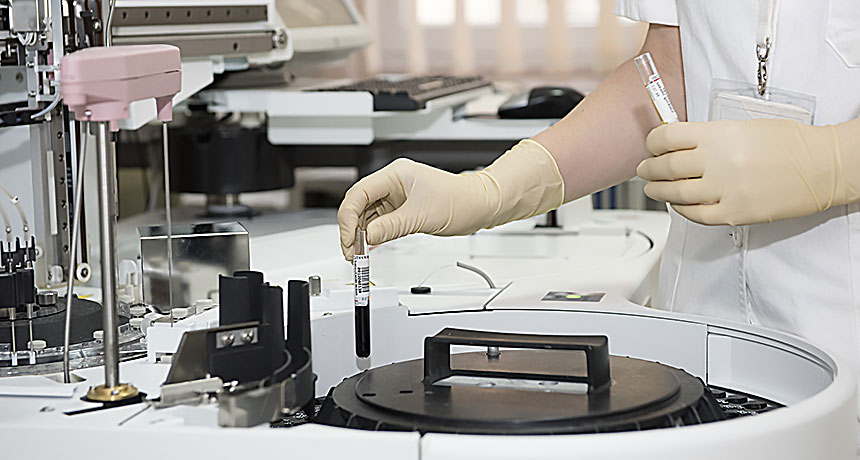
Improving Water Vapor Pumping In Vacuum Systems
Water vapor can be a challenging adversary in the world of vacuum technology. Whether you’re working with high vacuum systems for research, industrial applications, or even semiconductor manufacturing, the presence of water vapor can significantly impact the performance and reliability of your vacuum pumps. In this blog post, we will delve into the intricacies of water vapor pumping and explore various strategies and technologies to enhance its removal from vacuum systems. We’ll draw insights from the expertise of vacuum industry leaders and educational institutions to provide you with valuable information.
Understanding the Challenge
Water vapor can be a stubborn component to eliminate from a vacuum system due to its unique characteristics. Unlike non-condensable gases, water vapor readily condenses into liquid when exposed to lower temperatures, making it challenging to evacuate from the system. This property leads to the formation of ice or frost on cold surfaces, potentially causing blockages and reducing the efficiency of your vacuum pump.
To effectively address this challenge, it’s crucial to consider the source of water vapor in your vacuum system. The sources can vary widely, including outgassing from materials, leaks, residual moisture in components, and even human breath in certain environments.
Strategies for Pumping Water Vapor
Cryopumping
One of the most efficient methods for removing water vapor in vacuum systems is cryopumping. Cryopumps employ extremely low temperatures to freeze and capture water vapor molecules. The frozen water vapor can then be removed by thermal cycling or regeneration processes.
To implement cryopumping effectively, it’s essential to understand the cryogenics involved and ensure proper maintenance. Cryopumps have found widespread use in high-vacuum applications like semiconductor manufacturing, where stringent moisture control is critical to prevent defects in electronic devices.
Desorbing Techniques
Desorption techniques involve heating surfaces or materials to release and evacuate adsorbed water vapor. By carefully controlling the temperature and heating cycles, it’s possible to remove water vapor from surfaces within the vacuum system.
Advanced Materials and Coatings
Choosing the right materials and coatings for vacuum system components can significantly reduce water vapor adsorption and outgassing. Materials with low vapor pressure and minimal moisture absorption properties are preferred for critical components.
Utilizing advanced coatings and surface treatments can also enhance the water vapor pumping performance of your vacuum system. Such coatings can reduce the adhesion of water molecules and prevent them from accumulating on surfaces.
Dedicated Water Vapor Traps
Water vapor traps are specialized devices designed to capture and remove water vapor from the vacuum system. These traps can be positioned strategically within the system to intercept moisture before it reaches critical components like vacuum pumps or sensitive experiments.
Source Management
Understanding the sources of water vapor in your vacuum system is fundamental to effective pumping. By identifying and mitigating these sources, you can significantly reduce the influx of moisture into your vacuum chamber.
Conclusion
Water vapor pumping is a critical aspect of maintaining high-performance vacuum systems. Whether you’re dealing with research experiments, industrial processes, or semiconductor manufacturing, understanding the challenges and employing effective strategies is essential. Cryopumping, desorbing techniques, advanced materials, water vapor traps, and source management are all valuable tools in your quest to improve water vapor removal from your vacuum system.
For more insights and solutions tailored to your specific vacuum needs, consider consulting with experts in the field at trusted suppliers like High Vac Depot. Their expertise can help you achieve optimal vacuum conditions, enhancing the precision and reliability of your work. You can get in touch with us today!





Leave a Reply
You must be logged in to post a comment.